What is a Diesel Particulate Filter and How Does it Work?
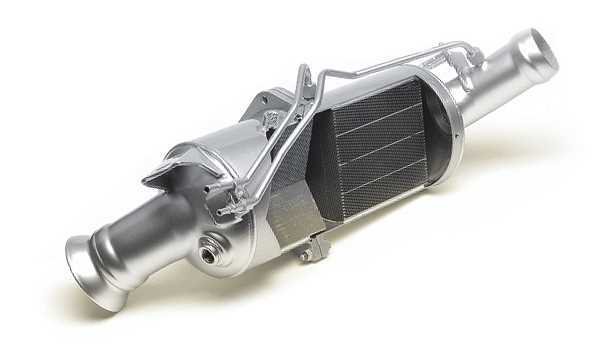 Any filter gradually gets clogged. Cars use several filters: air, one or two fuel filters, cabin filter, and diesel particulate filter. In general, from the name, it's clear that the last one is just a filter that captures soot. It was invented to preserve the environment. Its merit is the absence of black soot and a mild odor instead of the strong smell of diesel fuel.
During the operation of a diesel engine, soot particles are formed due to incomplete combustion of fuel, so for the filter to work efficiently, periodic self-cleaning (regeneration) is performed. A service in Dubai reminds that problems start when the filter gets clogged with soot and can no longer clean itself.
The catalyst and the diesel particulate filter are combined in one housing. Also nearby are wires, connectors, and tubes. All of these are directly related to this filter.
Exhaust gases pass through the catalyst (or directly) to the filter. It consists of many crypts—blind perforated gas channels. As the gases pass through them, unburned carbon particles settle on the walls. The task of the filter is to capture these soot particles. All other devices monitor the condition of the filter.
A soot-clogged filter is unable to allow gases to pass through in the normal mode, which affects engine performance.
Signs of a Clogged Diesel Particulate Filter
Experts at the Dubai service point out that filter contamination occurs when a vehicle is used for short trips. The filter does not warm up to its normal operating temperature, so it cannot effectively eliminate accumulated soot. At the same time, the exhaust gases are harder to expel, and their speed decreases. As a result, the speed of the turbocharger shaft decreases.
The causes of a faulty diesel particulate filter include:
1. Prolonged use of poor-quality fuel that does not burn completely, leading to the formation of many carbon particles (soot).
2. Damage to the filter filler due to mechanical impacts on the housing (e.g., driving on uneven roads).
3. Operating the vehicle in low temperatures, when the exhaust gases are not hot enough to ensure complete combustion.
4. Use of engine oils that are not suitable for diesel engines.
5. A faulty sensor that repeatedly triggers the regeneration process, as indicated by the indicators on the dashboard.
When to Consider Replacing the Diesel Particulate Filter: Recommendations from "PRO.СТО"
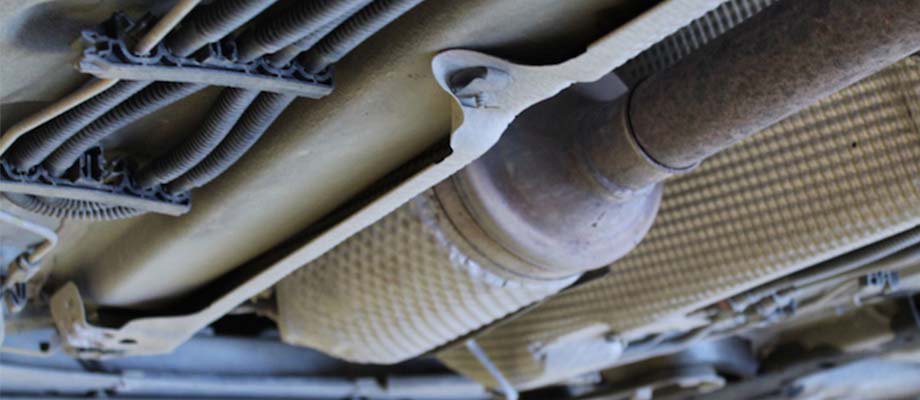 Specialists at the Dubai service "PRO.СТО" emphasize that the system needs to be replaced when the mileage ranges from 60,000 to 500,000 kilometers. It all depends on where the car is used, the brand, and the driving style.
- Driving exclusively in the city will require servicing after 60,000 kilometers.
- A new filter installation on commercial vehicles is done after 200,000-500,000 kilometers.
- Most drivers face problems when the mileage is between 120,000 and 150,000 kilometers.

 UAE
 RU
