Signs of Audi fuel system problems and diagnostics in Dubai
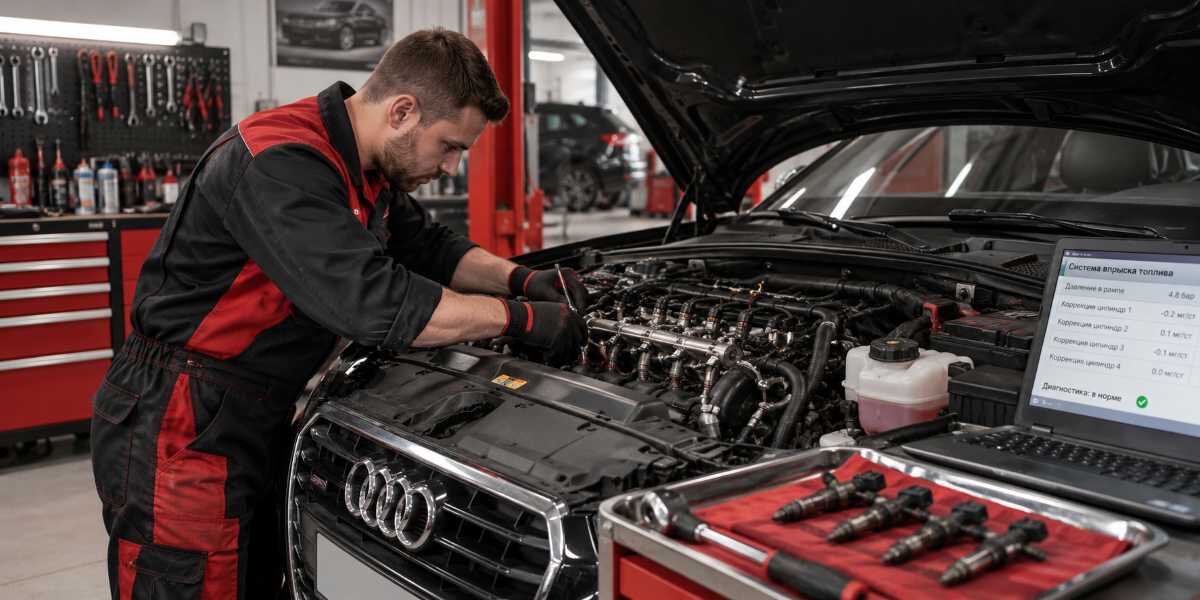
The fuel system in a modern Audi is much more than just a tank, fuel lines, and injectors. It is a complex electronically controlled system that operates under extremely high pressure. In Dubai’s hot climate, with frequent driving through sandy conditions or on scorching asphalt, the load on the system increases significantly. Problems often develop unnoticed: performance decreases, fuel consumption rises, or the engine simply refuses to start in the morning. At PRO.CTO, we understand that a fuel system requires more than just a filter replacement; it needs a comprehensive approach. That is why we offer a full range of services, from computer diagnostics to the repair or replacement of individual components. Our workshop is located in Dubai, in Al Quoz Industrial Area 4, where we specialize in premium German vehicles.
Audi fuel system: diagnostics, pressure, injectors, and component replacement
Work on an Audi fuel system always begins with accurate diagnostics. Without this step, any repair becomes little more than guesswork. We do not replace parts at random. We always inspect the system first, draw conclusions based on the results, and agree on a course of action with the vehicle owner.
1. Computer diagnostics (scanning). We connect modern diagnostic equipment to the engine control unit. We read all fault codes related to fuel pressure, injector operation, and sensors. This provides the initial direction for identifying the problem.
2. Fuel rail pressure check. The pressure must comply with factory specifications. We connect a pressure gauge to the fuel rail and monitor the readings under different engine operating conditions. If the pressure drops, this indicates a worn fuel pump or a faulty regulator.
3. Injector performance testing. We remove the fuel injectors and test them on a dedicated test bench. We check the spray pattern, sealing performance to identify any leaks, and overall flow rate. Clogged or leaking injectors are a common cause of poor starting.
4. High-pressure fuel pump (HPFP) inspection. On modern Audi TFSI engines, the HPFP generates extremely high pressure, up to 200 bar. If it becomes worn, metal particles can enter the system, causing damage to all the injectors. This is why checking the pump is a critically important step.
5. Fuel filter condition assessment. This is the primary barrier against contaminants. We remove the filter, cut it open, and assess the level of contamination. At the same time, we check the old filter for signs of corrosion or metal particles.
6. Visual inspection of fuel lines and connections. We inspect all fuel pipes and hoses for cracks, abrasion, or leaks. This is especially important for vehicles that have been operated in Dubai for a long time. Sand and heat accelerate the deterioration of rubber components.
After completing the diagnostic procedures, we always provide the customer with a detailed report. We explain exactly which components have failed and offer several options for resolving the issue. Our workshop is located at 3 Street 17 - Al Quoz Industrial Area 4 - Dubai, so you can always visit us for a follow-up inspection or scheduled maintenance.
When to pay attention to your Audi fuel system
The first sign of a problem is often the way the vehicle behaves during startup. If the starter cranks the engine for a long time before it finally starts, this can indicate a drop in fuel system pressure. You should also pay attention to jerking during acceleration, as this suggests an unstable fuel supply. Another important symptom is the smell of gasoline inside the cabin or near the engine, which may indicate microcracks in the fuel lines or leaking injectors. However, the most difficult problem to detect is a loss of power without any obvious external cause. The vehicle still drives, but feels sluggish at low revs or fails to deliver full power at higher engine speeds.
These warning signs should not be ignored. Audi fuel system repair in Dubai has its own specific considerations related to fuel. Fuel quality can vary between some filling stations, while frequently driving with a partially empty tank can lead to water condensation inside the tank, which may cause corrosion. If you notice even one of these symptoms, it is better not to postpone a visit to the service center. Diagnostics do not take much time, but they can save you from having to replace expensive components such as the high-pressure fuel pump or the entire set of injectors. The longer you drive with a faulty system, the greater the risk that the pump will fail and contaminate the entire fuel rail with metal particles.
How fuel system repair and maintenance are performed
The repair process begins with another inspection after the protective covers have been removed. We always start with the basics: replacing the fuel filter if it is clogged and cleaning carbon deposits from the throttle body. If the problem is more serious, we proceed with disassembling the fuel rail or replacing the HPFP. Our technicians have extensive experience working with EA888 and EA839 engines, so they know all the weak points of each model.
Standard fuel system work takes between 4 and 8 hours, depending on the complexity of the fault. For example, replacing injectors on a V6 takes longer because the intake manifold must be removed. Replacing the in-tank fuel pump, on the other hand, can be completed relatively quickly. We always have genuine Audi parts or high-quality alternatives available, depending on what has been agreed with the customer. All work is recorded in the vehicle’s electronic service record so that you know exactly what was done and what warranty is provided for the installed parts.
You can schedule a convenient time for comprehensive fuel system diagnostics. We work with vehicles of any mileage and guarantee an honest assessment of the system’s condition. If you value your safety and want to preserve the service life of your engine, do not delay repairs. Call us at +971 50 104 8222 or simply visit our PRO.CTO service center in Al Quoz. We are always available and ready to help restore your Audi’s original performance and fuel efficiency.

 UAE
 RU
