Audi auto electrics: when electronics need attention, not guesswork
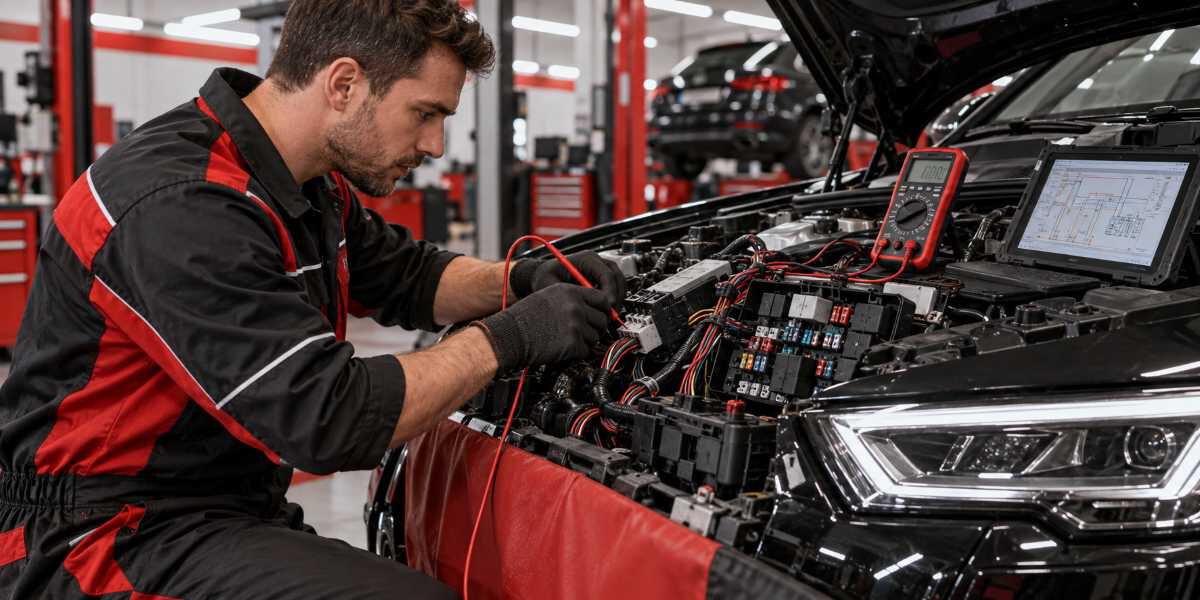
A modern Audi is a complex electronic system in which dozens of control units and sensors work together. When something goes wrong, it is important not to replace parts at random but to identify the actual cause. That is why Audi electrical diagnostics and repair require precise equipment and a thorough understanding of German engineering principles. PRO.CTO provides electrical diagnostics and repair services for Audi vehicles. The service center is located in Dubai at 3 Street 17 - Al Quoz Industrial Area 4 - Dubai. The team works with all models, from the A3 to the Q8 and e-tron. High humidity and heat create challenging conditions for automotive electronics, so every case requires an individual approach. The problem may be as minor as a poor electrical contact or as complex as an issue involving communication between several control units. We do not offer one-size-fits-all solutions because every vehicle has its own history. For example, one customer reported that the doors would occasionally fail to unlock using the key fob. It turned out that the lock itself was not the problem. The comfort control module was receiving a distorted signal. This is why we always begin with diagnostics and proceed with repairs only after identifying the cause.
What Audi diagnostics at PRO.CTO reveal
The first thing to understand is that Audi electrical systems leave little room for approximate solutions. The approach of simply replacing components one after another does not work here. Each control unit has its own operating logic, and professional diagnostic equipment is required to access and analyze it. This is how the diagnostic process is carried out.
1. Initial inspection and assessment of the complaint. The technician listens to the driver, records the symptoms and determines the conditions under which they occur. This provides the first direction for further investigation.
2. Computer diagnostics. The vehicle's control units are accessed using the original diagnostic scanner. Fault codes are read, live data is analyzed and adaptations are checked.
3. Electrical circuit testing. Resistance, voltage and current are measured at key points. The technician checks for open circuits, short circuits and poor electrical connections.
4. Sensor and actuator analysis. Signals, responses to changing conditions and the accuracy of data transmission are checked.
5. Battery and charging system inspection. The battery is tested under load, while the alternator, relays and fuses are also inspected.
6. Multimedia and comfort system diagnostics. Factory-installed systems, parking sensors, cameras, heating systems and climate control are checked.
7. Test drive and final inspection. The vehicle is tested to confirm that the problem has been resolved and that all related systems are operating normally.
After diagnostics, the driver receives a clear picture of the problem. Instead of simply being told that there is a "control unit fault," the customer is informed of the specific cause. Based on the findings, we then recommend the appropriate solution, ranging from a simple electrical contact repair to the replacement of individual components. This helps avoid unnecessary expenses and prevents the replacement of parts that are still functioning correctly.
Signs of electrical faults Audi drivers may notice
Signs that an Audi's electrical system requires attention rarely appear all at once. They usually develop gradually. At first, it may be an intermittently operating window, followed later by a warning on the instrument panel. Another example is the multimedia system suddenly switching off while driving. Sometimes the driver simply notices that the vehicle no longer responds to commands as it did before. This does not necessarily indicate a serious fault, but such warning signs should not be ignored. Audi electronics rely on communication between multiple control units. As a result, a minor fault can eventually affect other systems. Many drivers, though, become accustomed to small inconveniences and seek assistance only when the vehicle stops starting altogether. We recommend addressing the issue before it reaches that point. Early diagnostics save both time and money. They make it possible to identify the cause before it develops into an expensive problem. This is particularly important for vehicles operated in Dubai conditions. Heat and humidity accelerate the deterioration of electrical contacts and wiring. Regular electrical inspections are therefore not a luxury but a practical necessity. Another factor is fuel quality and battery condition. Both can also affect the operation of electronic systems, although that is a separate subject. The main point is not to ignore even minor electrical irregularities.
How Audi electrical repairs are organized in Dubai
Once the cause has been identified, we agree on a repair plan with the customer. The driver understands exactly what work will be performed, how much it will cost and how long it will take. Minor repairs, such as replacing a relay, fuse or electrical contact, usually take a few hours. More complex cases involving control units or wiring may require additional time. We do not promise to complete every repair within an hour, but we always provide realistic time estimates. Diagnostic appointments can be arranged by calling +971 50 104 8222. Customers can call or send a message via messenger. We will advise on the best time to visit and how much time should be allowed for the appointment. After the repair, the vehicle undergoes a final inspection. We make sure that all systems are operating correctly before returning the vehicle to its owner. If you need a consultation, give us a call. We are always available. You can also visit without an appointment, although it is better to let us know in advance. This helps avoid unnecessary waiting. We value every customer's time.

 UAE
 RU
